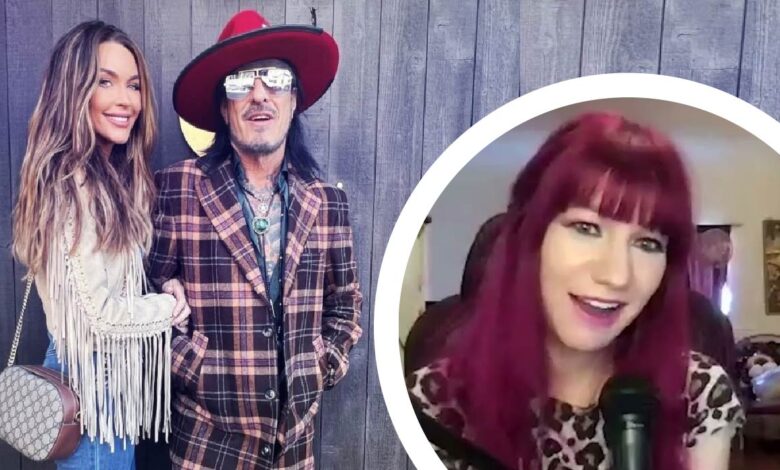
Lisa Marie Feranna was the older sister of Nikki Sixx, the famous bassist and songwriter of Mötley Crüe. She was born on November 12, 1960, in San Jose, and she lived a very private life away from the public eye. While her brother became a global rock star, Lisa spent her entire life in institutional care because she was born with Down syndrome, blindness, and severe hearing loss. For many years, very few people knew about her.
Her name became more widely known after Nikki Sixx spoke openly about her in his books and interviews. Lisa’s story is not about fame or money. It is about family, difficult choices, and how society once treated people with disabilities. Her life helps us understand the past and reminds us how much the world has changed.
Early Life and Birth Details
Lisa Marie Feranna was born into a young working-class family in San Jose, California. Her father, Frank Carlton Serafino Feranna Sr., was of Italian-American background and worked hard to support his family. Her mother, Deanna Richards, was only nineteen years old when Lisa was born. The family already had a young son, Frank Jr., who would later change his name to Nikki Sixx. Life was not easy for them. They were young, had limited money, and were trying to build a stable home.
When Lisa was born with serious medical conditions, the situation became even more challenging. In the early 1960s, there was little support for families raising children with disabilities. Doctors often gave very negative predictions, and many parents were told their child would never live a full life. This was the world Lisa was born into, and it shaped everything that followed.
Age and Physical Appearance
Lisa Marie Feranna was born on November 12, 1960, and she died on January 28, 2000, at the age of thirty-nine. She was born with Down syndrome, and she was also blind and had severe hearing loss from birth. These conditions affected her physical growth and development throughout her life. Because she lived in institutional care and stayed out of public view, there are no detailed public records about her height, weight, or daily appearance. Most information about her focuses on her life story rather than her physical features.
Lisa Marie Feranna’s Parents
Father: Frank Carlton Serafino Feranna Sr.
Frank Carlton Serafino Feranna Sr. was the father of Lisa Marie Feranna and the biological father of Nikki Sixx. He was of Italian-American background and worked hard to support his family during a difficult time. When Lisa was born in 1960 with Down syndrome, blindness, and severe hearing loss, he faced a painful family situation.
Later accounts shared by Nikki Sixx suggest that Frank Sr. did not fully agree with placing Lisa in institutional care, but strong medical advice and social pressure influenced the final decision. The stress and disagreement around this choice created tension within the family. Although he did not remain closely involved in his children’s lives as they grew older, his role in the early family history shaped important parts of their story.
Mother: Deanna Richards
Deanna Richards was the mother of Lisa Marie Feranna and Nikki Sixx. She was only nineteen years old when Lisa was born, and she was raising two small children with limited financial and emotional support. After doctors told her that Lisa would not be able to live independently, she followed their recommendation to place her daughter in institutional care.
At that time, there were almost no public programs or disability rights laws to help families like hers. The decision was not made out of a lack of love but out of fear and pressure in a system that offered few choices. In later years, Nikki Sixx expressed understanding for his mother’s difficult situation, recognizing that she did what she believed was best with the information and support she had.
Lisa Marie Feranna Siblings
Brother: Nikki Sixx
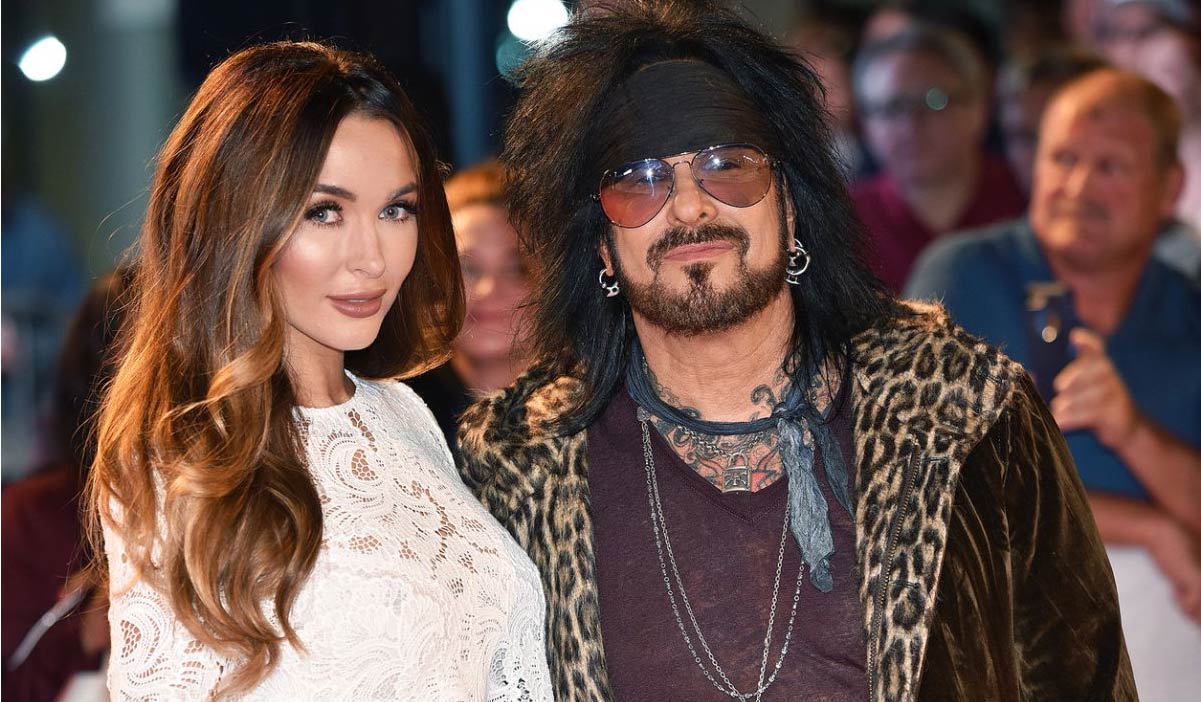
Nikki Sixx, whose birth name is Frank Carlton Serafino Feranna Jr., is the younger brother of Lisa Marie Feranna. He was born on December 11, 1958, and later became a famous musician and co-founder of the rock band Mötley Crüe. Nikki was only two years old when Lisa was placed in institutional care, so he grew up without knowing her personally.
For most of his life, he had little connection with his sister and did not fully understand her story. He first saw her at her funeral in 2000, which deeply affected him. In later years, he spoke openly about Lisa in his books and interviews, saying that learning about her life helped him better understand his family and shaped his personal growth.
Half-Brother: Randy Feranna
Randy Feranna is the half-brother of Lisa Marie Feranna and Nikki Sixx. He shares the same father, Frank Carlton Serafino Feranna Sr. Very little public information is available about Randy because he has lived a private life away from media attention. Like Lisa, he was not involved in the entertainment world. Most details about the Feranna family history come from Nikki Sixx’s personal accounts, and Randy has remained out of the spotlight.
Half-Sister: Ceci Comer
Ceci Comer is the half-sister of Lisa Marie Feranna and Nikki Sixx. She is connected to the family through one of their parents, but she has also kept her life private. There are limited public records or interviews about her, as she has chosen to stay away from fame and public discussion. Unlike Nikki Sixx, she did not enter the music industry or public life. Her role in the family story is mostly known through basic family records rather than public appearances or media coverage.
Medical Conditions and Diagnosis
From birth, Lisa was diagnosed with Down syndrome, a genetic condition that affects physical growth and learning development. She was also completely blind and had severe hearing loss. These combined conditions made her situation much more complex than that of many other children with Down syndrome at the time. In the 1960s, medical knowledge and support services were very limited. Doctors often believed that children with multiple disabilities would not be able to walk, talk, or live independently.
Families were frequently advised to place such children in institutions, where professionals would “take care” of them. Today, we understand that people with Down syndrome can live meaningful and joyful lives with proper support. However, during Lisa’s early years, society did not have the systems, education programs, or legal protections that exist now. Her diagnosis deeply affected her family and led to life-changing decisions.
Reasons Behind Her Placement in Care
When Lisa was still a baby, her parents faced a heartbreaking decision. Medical professionals strongly suggested that institutional care would be the best option. At that time, there were no strong disability rights laws, no community support programs, and very few educational opportunities for children with special needs. Raising a child with multiple disabilities required resources and knowledge that most families did not have.
Reports later shared by Nikki Sixx revealed that his father did not agree with sending Lisa away, but the pressure from doctors and society was intense. After about eleven months, Lisa was placed in a state-run care facility. This decision separated her from her family for the rest of her life. It was not made out of a lack of love, but because her parents felt they had no other choice in a system that offered very little help.
Life Inside Institutional Care
Lisa Marie Feranna spent nearly thirty-nine years living in institutional care in the San Jose area. During the 1960s and 1970s, many state-run facilities were overcrowded and underfunded. Residents often received basic care, but they did not have the personal attention, education, and emotional support that families could provide at home. Life inside these institutions was usually quiet and isolated.
People with disabilities were often kept away from society, and their stories were rarely heard. Despite these challenges, Lisa lived until the age of thirty-nine, which was longer than the average life expectancy for many individuals with Down syndrome during that era. Her long life shows her strength and resilience. Even though little is publicly known about her daily routine, it is clear that she survived in a system that was far from perfect.
The Hidden Bond Between Lisa and Nikki Sixx
While Lisa lived privately in institutional care, her younger brother was building a completely different life. Frank Jr., who became Nikki Sixx, left home at a young age and eventually moved to Los Angeles to pursue music. In 1981, he co-founded Mötley Crüe, which became one of the most famous rock bands in the world.
During his rise to fame, he had no real connection with his sister. He was only two years old when she was placed in care, and as he grew up, she was rarely discussed. The first and only time Nikki Sixx saw Lisa was at her funeral on January 28, 2000. He was forty-one years old. Standing in front of her coffin, he realized he had never truly known his own sister. That moment deeply affected him and stayed with him for years.
How Lisa Marie Feranna Influenced Nikki Sixx’s Art
After Lisa’s passing, Nikki Sixx began to reflect more deeply on his family history. Over time, he realized that her absence had shaped him in ways he had never understood. In 2011, he released a photography book titled This Is Gonna Hurt, which he dedicated to Lisa. The images in the book often explored themes of pain, isolation, and inner struggle.
Later, in his 2021 memoir The First 21: How I Became Nikki Sixx, he wrote honestly about learning more about Lisa and understanding the difficult choices his parents faced. He described feeling empathy instead of anger, recognizing that his mother was young and had limited options. Lisa’s story became part of his healing journey. Through art and writing, he gave her the recognition she never received during her lifetime.
Disability Care in America During the 1960s
Lisa’s life reflects a larger history in the United States. During the mid-20th century, many children with disabilities were placed in institutions. Society often believed that these children could not learn or contribute meaningfully. Families were encouraged to separate from them, and disability was seen as something to hide.
It was not until later laws, such as the Individuals with Disabilities Education Act in 1975 and the Americans with Disabilities Act in 1990, that major changes began to happen. These laws helped ensure access to education, public spaces, and equal rights for people with disabilities. Lisa lived during a time before these protections existed. Her story reminds us how different the world was and how important these legal and social changes have been.
Final Years and Death
Lisa Marie Feranna passed away on January 28, 2000, in San Jose, California, at the age of thirty-nine. Her cause of death was not publicly shared. Her passing did not receive media attention, and there were no public tributes at the time. She was cremated, and her memorial can be found in public records.
For most people, her life went unnoticed. However, for her brother and those who later learned about her, her death marked an important moment of reflection. It was the first time Nikki Sixx truly faced the reality of having a sister he had never known.
Her Lasting Impact and Legacy
Today, Lisa Marie Feranna is remembered not for fame, but for what her life represents. She stands as a reminder of a time when people with disabilities were often hidden from society. Her story has helped raise awareness about compassion, family bonds, and social change. Through Nikki Sixx’s honesty in interviews and books, Lisa’s name has become part of a larger conversation about understanding the past.
Her life shows that every person matters, even if their story is quiet. Remembering Lisa means honoring not only her, but also many others who lived in similar circumstances. Her legacy is one of dignity, resilience, and the importance of empathy.
Conclusion
Lisa Marie Feranna lived a quiet life away from public attention, but her story carries deep meaning. Born with Down syndrome, blindness, and severe hearing loss, she spent most of her life in institutional care during a time when society offered little support for people with disabilities.
Although she never experienced fame like her brother Nikki Sixx, her life later inspired him to reflect on family, compassion, and understanding. Lisa’s story reminds us how much the world has changed and why every life, no matter how unseen, deserves respect and remembrance.
FAQs About Lisa Marie Feranna
Who was Lisa Marie Feranna?
Lisa Marie Feranna was the older sister of Nikki Sixx, the bassist of Mötley Crüe. She was born in 1960 in San Jose, California, and lived a private life in institutional care due to her medical conditions.
When was Lisa Marie Feranna born?
She was born on November 12, 1960, in San Jose, California, United States.
What medical conditions did Lisa Marie Feranna have?
Lisa was born with Down syndrome. She was also blind and had severe hearing loss from birth, which affected her development and daily life.
Why was Lisa Marie Feranna placed in institutional care?
During the 1960s, doctors often advised families to place children with severe disabilities in care facilities because there were very few support programs or disability rights laws available at that time.
Did Nikki Sixx know his sister?
Nikki Sixx was only two years old when Lisa was placed in care, so he did not grow up with her. He met her for the first time at her funeral in 2000.
When did Lisa Marie Feranna pass away?
Lisa Marie Feranna passed away on January 28, 2000, at the age of thirty-nine in San Jose, California.
Who Is James Patrick Huggins? The Inspiring Story of Penelope Ann Miller’s Husband
For More Amazing Updates And News: Journal Time Magazine