Tin Swe Thant: The Inspiring Life and Cultural Roots of Alex Wagner’s Mother

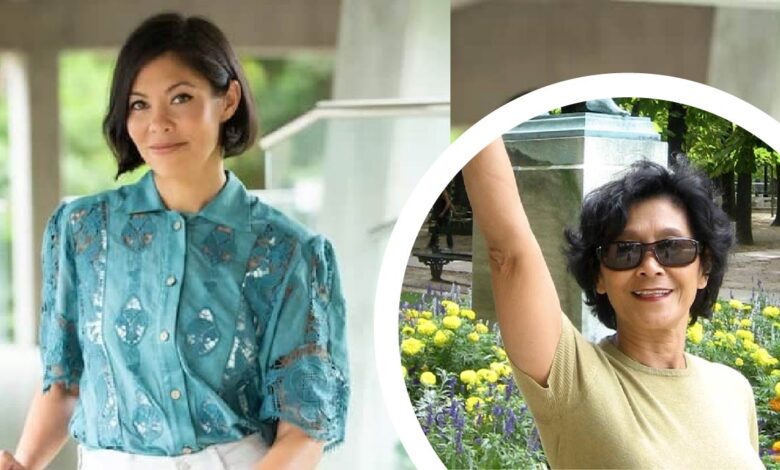
Tin Swe Thant is best known as the mother of Alex Wagner, but her life story carries meaning far beyond that connection. She is a Burmese-American woman whose journey from Southeast Asia to the United States reflects the courage, resilience, and cultural pride shared by many immigrant families.
Although she has always lived a private life and has never sought public attention, interest in her background has grown because people naturally want to understand the roots of well-known public figures. Her story offers insight into identity, belonging, education, and the quiet strength of parents who work behind the scenes to shape the next generation.
Early Life and Background
Tin Swe Thant was born and raised in Yangon, Myanmar, at a time when the country was shaping its identity after independence from British rule. She grew up in a traditional Burmese environment where family respect, cultural pride, and education were highly valued. Daily life was centered around close community ties, strong moral lessons, and deep respect for elders, which helped shape her character from a young age.
Even though colonial influence was still visible in schools and public systems, she stayed closely connected to her Burmese heritage, and these early experiences later influenced how she built her life and raised her family in the United States.
Age and Physical Appearance
Tin Swe Thant was born in Yangon, Myanmar, and while her exact birth year is not publicly confirmed, records show she studied in the United States during the 1960s, which suggests she was likely born in the 1940s. She has chosen to keep her life private, so there are very few public details about her personal measurements or features, but in the limited family photos available, she appears simple, graceful, and modest in style, reflecting her calm nature and strong cultural values.
Colonial Impact and Her School Name Change
During her childhood in Yangon, Tin Swe Thant experienced the lasting effects of British colonial rule, especially within the education system, where English customs were still strongly present. As a young student, she was required to use an English name in order to attend school, and her father chose the name “Maureen,” which became her school name even though it was not part of her true identity.
This rule reflected how colonial systems often pushed local cultures aside and encouraged Western names and traditions. Although she used that name in school, it did not replace her real identity, and later in life she proudly returned to using her birth name, honoring her Burmese heritage and reclaiming a strong sense of self.
Moving to America in the 1960s
In the 1960s, Tin Swe Thant made the brave decision to leave Myanmar and move to the United States in order to continue her education and seek better opportunities. At that time, traveling across the world was not as common or easy as it is today, so her journey required strong courage and determination.
She had to adjust to a new language environment, different customs, and a completely new way of life, while being far from her home and family. Like many immigrants, she faced challenges in adapting to American society, but she remained proud of her Burmese roots and worked hard to build a stable and meaningful life in her new country.
Studies at Swarthmore College
After arriving in the United States, Tin Swe Thant enrolled at Swarthmore College, where she studied political science. Swarthmore is known for its strong academic programs and thoughtful learning environment, and studying there gave her a deep understanding of government, society, and global issues.
As an international student in the 1960s, she had to adjust to a new academic system while also adapting to American culture, which required focus and resilience. Her education helped her develop critical thinking skills and a broader view of the world, and these lessons later influenced how she approached family life and raised her daughter with awareness, confidence, and respect for both cultures.
Marriage to Carl Wagner
During her years in the United States, Tin Swe Thant met Carl Wagner, an American political consultant from Iowa who later became involved in national political campaigns. Their marriage brought together two different cultural backgrounds, blending Burmese traditions with Midwestern American values, and created a unique home filled with diverse ideas and experiences.
Together, they raised their daughter, Alex Wagner, in an environment that respected education, public service, and cultural understanding. Although their marriage later ended in divorce, they continued to share responsibility as parents, maintaining stability and support for their child while honoring the importance of family.
Who Is Carl Wagner?
Carl Wagner was an American political consultant from Iowa who became known for his work in national Democratic politics, including his involvement in major campaigns during the 1990s. He built a career focused on political strategy, messaging, and public affairs, helping candidates communicate their ideas to voters.
He later married Tin Swe Thant, and together they raised their daughter, Alex Wagner, in a multicultural home that blended Burmese and American traditions. Although the couple eventually divorced, Carl remained an active presence in his daughter’s life until his passing in 2017, and he is remembered for both his political career and his role as a father.
Raising Alex Wagner

As a mother, Tin Swe Thant played a central role in shaping the identity of her daughter, Alex Wagner. She raised her with a strong awareness of both Burmese and American cultures, teaching her about heritage, pride, and resilience. At home, Burmese traditions were present through language, cooking, stories, and values, while American life surrounded them outside the home.
This blend gave Alex Wagner a broad understanding of the world and a deep sense of identity. When her daughter faced questions about race or belonging, Tin Swe Thant offered guidance and calm strength, helping her navigate complex feelings about being biracial in America. Her steady influence helped build confidence and curiosity that would later define her daughter’s career.
Influence on Alex Wagner’s Career and Identity
The influence of Tin Swe Thant can be clearly seen in the life and work of Alex Wagner, who has built a career exploring issues such as race, immigration, inequality, and identity in American life. Alex Wagner has openly spoken about how learning more about her mother’s past, including the experience of being forced to adopt an English name, helped her reflect deeply on the meaning of identity and belonging.
In her memoir, Futureface, she examines her family history and cultural roots, seeking to understand how different parts of her heritage connect. These themes of ancestry and self-discovery are not abstract topics but personal reflections rooted in her mother’s experiences as a Burmese immigrant. Through her journalism and writing, Alex Wagner often highlights stories about diversity and social justice, and many observers see a clear connection between those interests and the values passed down by her mother.
Cultural Heritage and Burmese Identity
Cultural heritage has remained central in Tin Swe Thant’s life, and even after decades in the United States, she has continued to honor Burmese traditions, language, and values. Immigrant families often face the challenge of balancing assimilation with cultural preservation, and she appears to have chosen a path that respects both her adopted country and her homeland.
By keeping elements of Burmese culture alive at home, she helped ensure that her daughter and later her grandchildren would feel connected to their ancestry. Cultural pride is not about rejecting a new society but about carrying forward the wisdom and history of one’s roots, and her example shows how identity can be layered rather than replaced. Through food, stories, names, and family rituals, heritage becomes something living and meaningful rather than distant or forgotten.
Grandchildren and Multigenerational Legacy
As a grandmother, Tin Swe Thant continues to pass on Burmese heritage to the next generation, including her grandsons, whose middle names reflect their Burmese background. Naming traditions often carry deep meaning in many Asian cultures, and choosing names connected to heritage is one way families keep identity alive across generations.
Her involvement in preserving cultural elements within the family shows that legacy is not only about public achievement but about everyday acts of remembrance and pride. The connection between grandparents and grandchildren often carries stories, lessons, and emotional bonds that strengthen family identity, and through these relationships, her influence continues quietly and steadily.
Life Today on Long Island
Today, Tin Swe Thant lives a peaceful and private life on Long Island, New York, staying largely out of public view while remaining close to her family. Unlike her daughter, who works in media and public discourse, she has chosen a quieter path focused on family and personal values. Occasionally, she appears in family photographs shared publicly, but she does not seek interviews or attention.
Her life now reflects stability and dignity, and she represents many immigrant elders who carry deep histories but prefer to live simply and thoughtfully. Her story reminds us that influence does not always come with publicity, and that many powerful legacies grow quietly within families.
Public Interest and Online Searches
Interest in Tin Swe Thant has grown mainly because people are curious about the families behind public figures, especially when those figures speak openly about identity and heritage. Searches about her biography, age, education, and background reflect a broader pattern in which audiences want to understand the personal stories that shape journalists, writers, and public voices.
In a time when conversations about immigration and multicultural identity are common in public life, her background as a Burmese immigrant naturally draws attention. Even though she remains private, the public’s curiosity highlights how family roots help shape public narratives.
Net Worth and Financial Information
There is no verified public information about Tin Swe Thant’s net worth, and as a private individual who has not built a public career in business or entertainment, financial details about her life are not widely reported. Speculating about wealth does not add meaningful insight into her story, which is centered on education, family, and cultural strength rather than financial status. Her true legacy lies in the values she carried from Myanmar to the United States and in the confidence and awareness she instilled in her daughter and grandchildren.
Conclusion
Tin Swe Thant’s life tells a powerful story of migration, identity, education, and motherhood, showing how one woman’s quiet strength can shape generations. From her childhood in Yangon to her academic journey in the United States, she carried her Burmese heritage with pride while adapting to a new cultural world.
Through her dedication to family and education, she helped shape the worldview of her daughter, Alex Wagner, whose public work reflects themes rooted in her mother’s experiences. Although she has chosen a private life, her story continues to inspire interest because it represents the broader experience of immigrant families who build strong futures while honoring their past.
FAQs About Tin Swe Thant
1. Who is Tin Swe Thant?
Tin Swe Thant is a Burmese-American woman best known as the mother of journalist and television host Alex Wagner. She was born in Yangon, Myanmar, and later moved to the United States for higher education.
2. Where was Tin Swe Thant born?
She was born in Yangon, formerly known as Rangoon, in Myanmar (Burma), where she spent her early childhood surrounded by Burmese traditions and strong family values.
3. When did Tin Swe Thant move to the United States?
She immigrated to the United States during the 1960s to continue her education and build new opportunities for her future.
4. Where did Tin Swe Thant study?
She studied political science at Swarthmore College, where she developed a deeper understanding of society and government.
5. Who was Tin Swe Thant’s husband?
She was married to Carl Wagner, an American political consultant. Although they later divorced, they raised their daughter together.
6. Why is Tin Swe Thant publicly known?
She became publicly known because of her daughter, Alex Wagner, whose career in journalism and writing has drawn interest in her family background and cultural roots.
Meet Loralee Czuchna: The Private Life of Don Knotts’ Second Wife Explained
For More Amazing Updates And News: Journal Time Magazine